
By Neil Thompson
The annual conference SPIE Optics + Photonics recently took place in San Diego, and it did not disappoint. Hosted by SPIE, the international society for optics and photonics, scientists, engineers, and researchers descended upon the Convention Center, and I was there to take in the event.
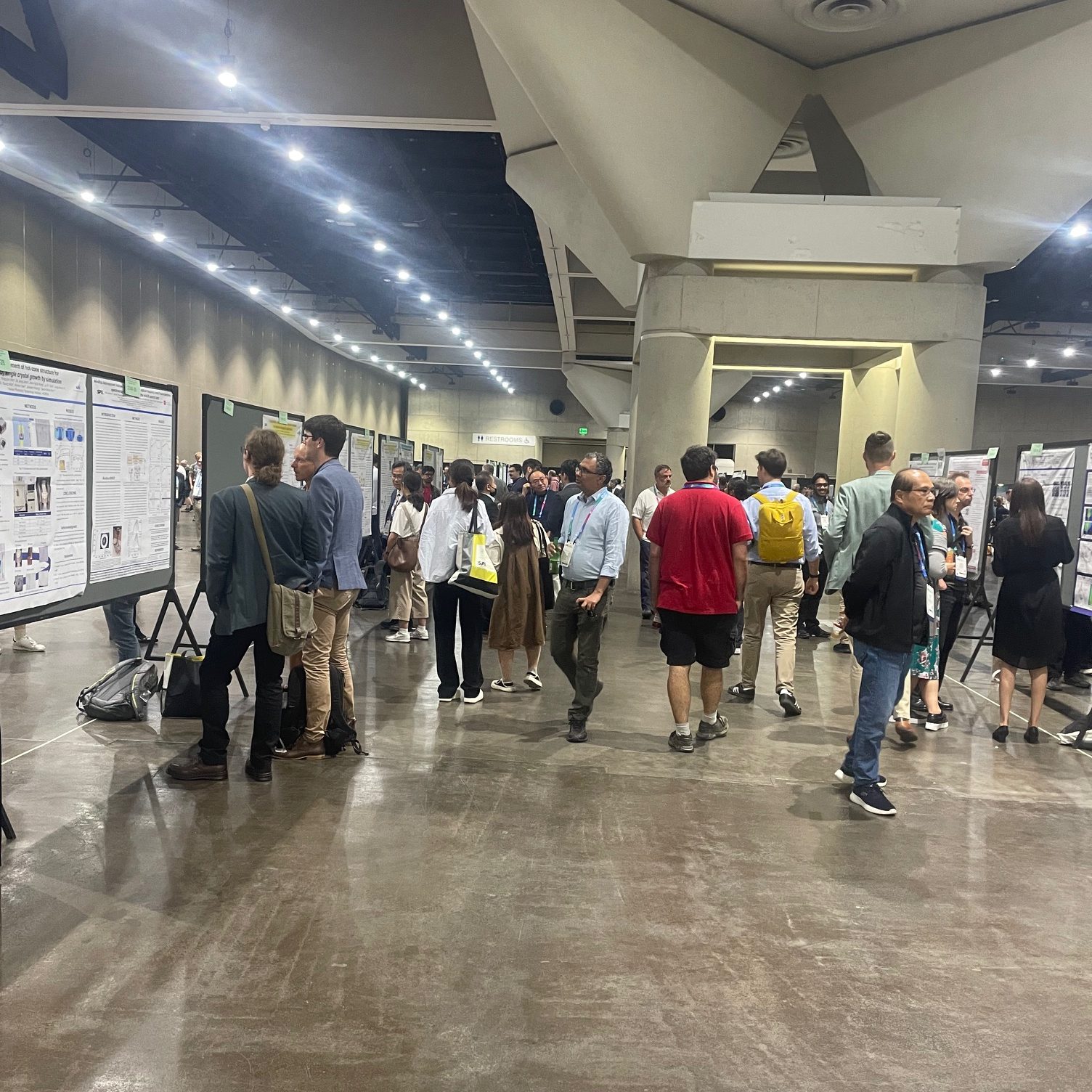
The poster presentations had topics that varied from alternative breast cancer detection methods to astronomical telescope mirrors. My background isn’t in optics, so it was quite informative to have conversations with the presenters about their research.
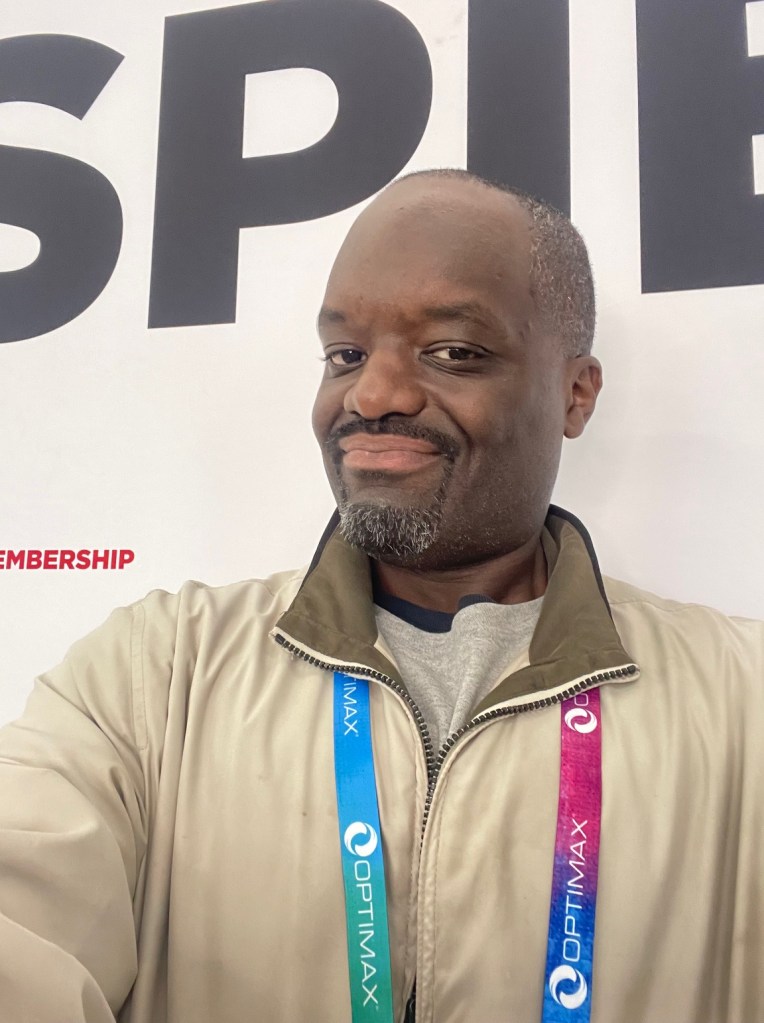
Speaking of communicating technical information, there were also sessions on how to communicate scientific ideas to diverse audiences. Although I was unable to attend this session, one of the instructors, Matthew Posner, was a guest on my podcast discussing this very topic. Matthew’s session was specifically about communicating with K-12 audiences and with audiences at fairs, science centers, and open houses. Another communications session was led by Jean-luc Doumont. His session was about how to structure and deliver research talks.
Both communication sessions are important. With Matthew’s session, making science interesting to a young and lay audience can help pique their curiosity and promote science. With research talks, conveying technical information to diverse audiences can help with getting buy-in from decision makers, which can lead to projects getting approved and funding being provided. SPIE was smart to have such sessions represented at the conference.
Do you know who Rudolph Kingslake is?
He was a prominent optical engineer and physicist, known for his contributions to lens design. He significantly advanced the field of photographic optics. Rudolph’s protégé’s protégé (yes, you read that correctly), Dr. Julie Bentley, inherited some of Rudolph’s possessions, namely cue cards with final exam lens design problems written on them. One of Dr. Bentley’s students decided to solve all the problems, and the student and Dr. Bentley are publishing a book with all the answers some time in 2025. How cool is that?
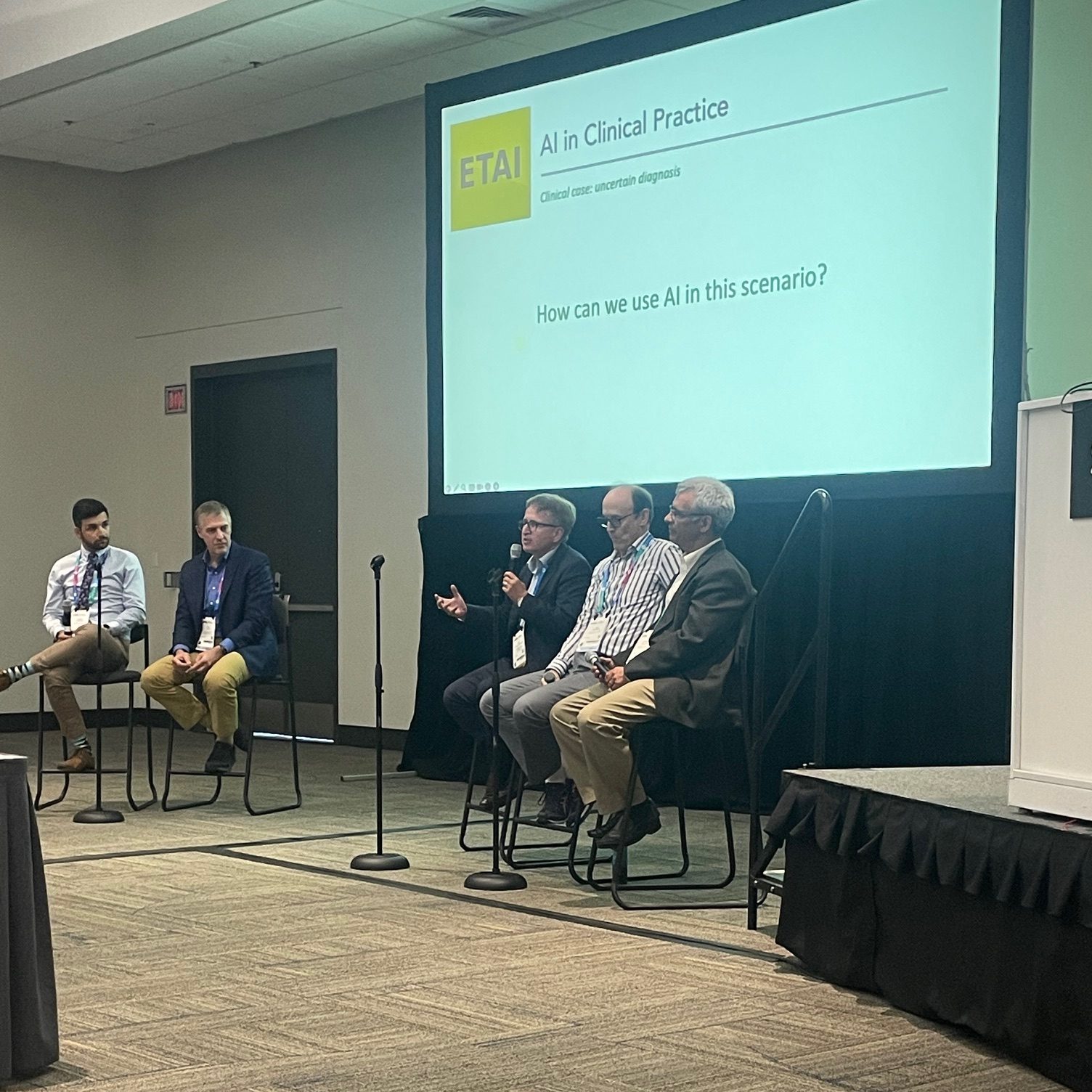
Another highlight of the conference was a panel made up of academics and radiologists sharing their thoughts on AI in clinical practice. During the panel, the panelists were given a scenario and asked how they’d approach it. One of the questions asked: Would you prefer to receive a clinical diagnosis based on a doctor’s opinion or an AI-generated opinion? While you may suspect that they’d all answer a doctor’s opinion, their answers were more nuanced. Many of the panelists, and even some in the audience, said that, before seeing a doctor, they’d seek an AI-generated opinion based on their symptoms, and then they’d see a doctor to get the doctor’s opinion. Will radiologists become obsolete at some point? Apparently, not any time soon.
After attending SPIE Optics + Photonics, it’s clear that advancing the field of optics and photonics is not only about pushing the boundaries of technology, but also about effectively communicating these breakthroughs to different audiences. Whether it’s engaging with fellow researchers, educating the next generation of scientists, or informing industry stakeholders, our ability to translate complex innovations into understandable and actionable insights is crucial for driving continued progress and ensuring that these advancements benefit society as a whole.
 SANDSWA