
At a recent SANDSWA event, I noticed most science writers I met did it professionally. Freelancing, working at an agency, teaching; SANDSWA members often get paid to write about science. I do it for free. Is it worth it?
Sally Ride Research Vessel Tour: Part II
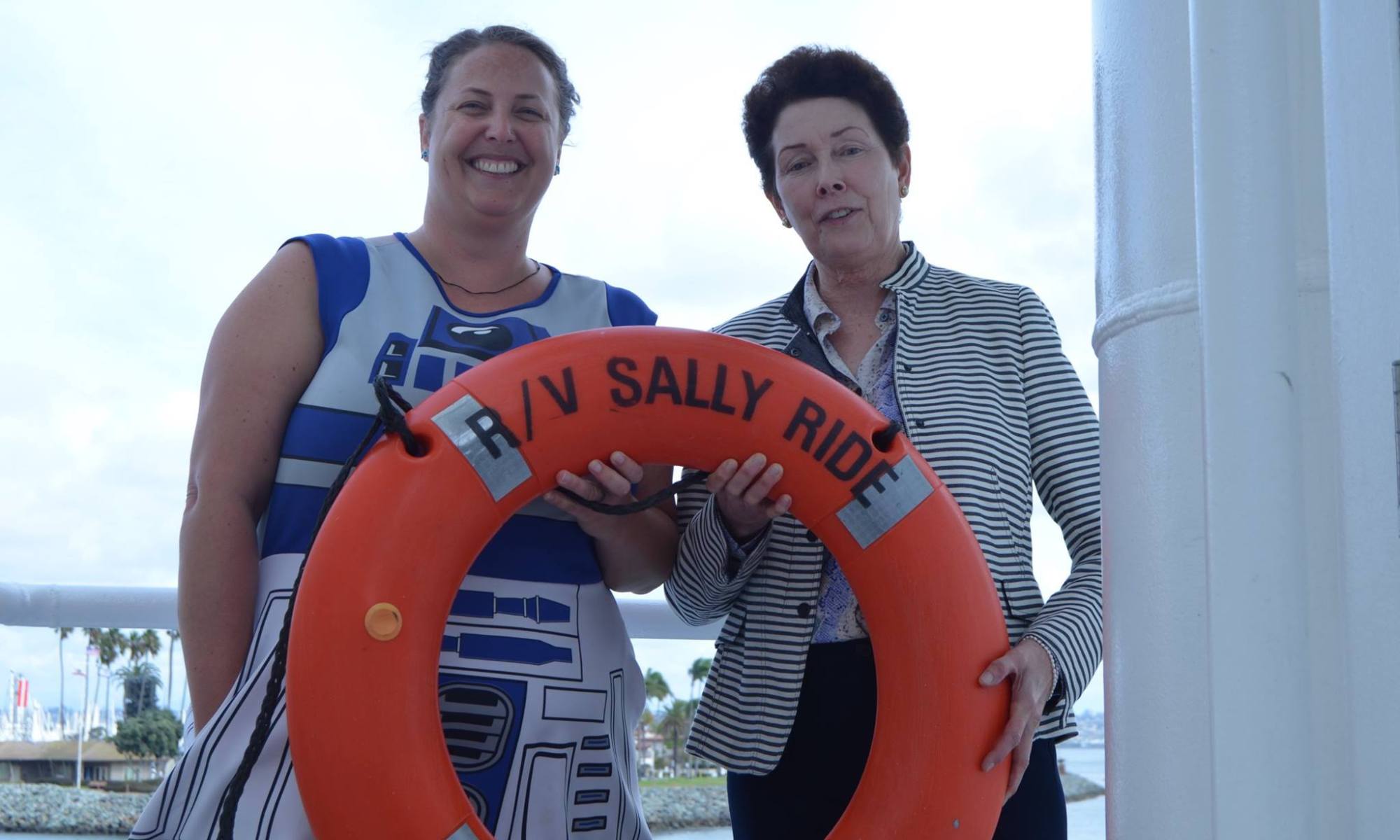
By Melissa Miller (See also Part I of this tour recap by Xochitl Rojas-Rocha) I learned how to be a science writer and communicator aboard the research vessel Sally Ride, which is why it was very special for me to share it with you, my SANDSWA peers. Networking with and learning from this talented pool …
Sally Ride Research Vessel Tour: Part I
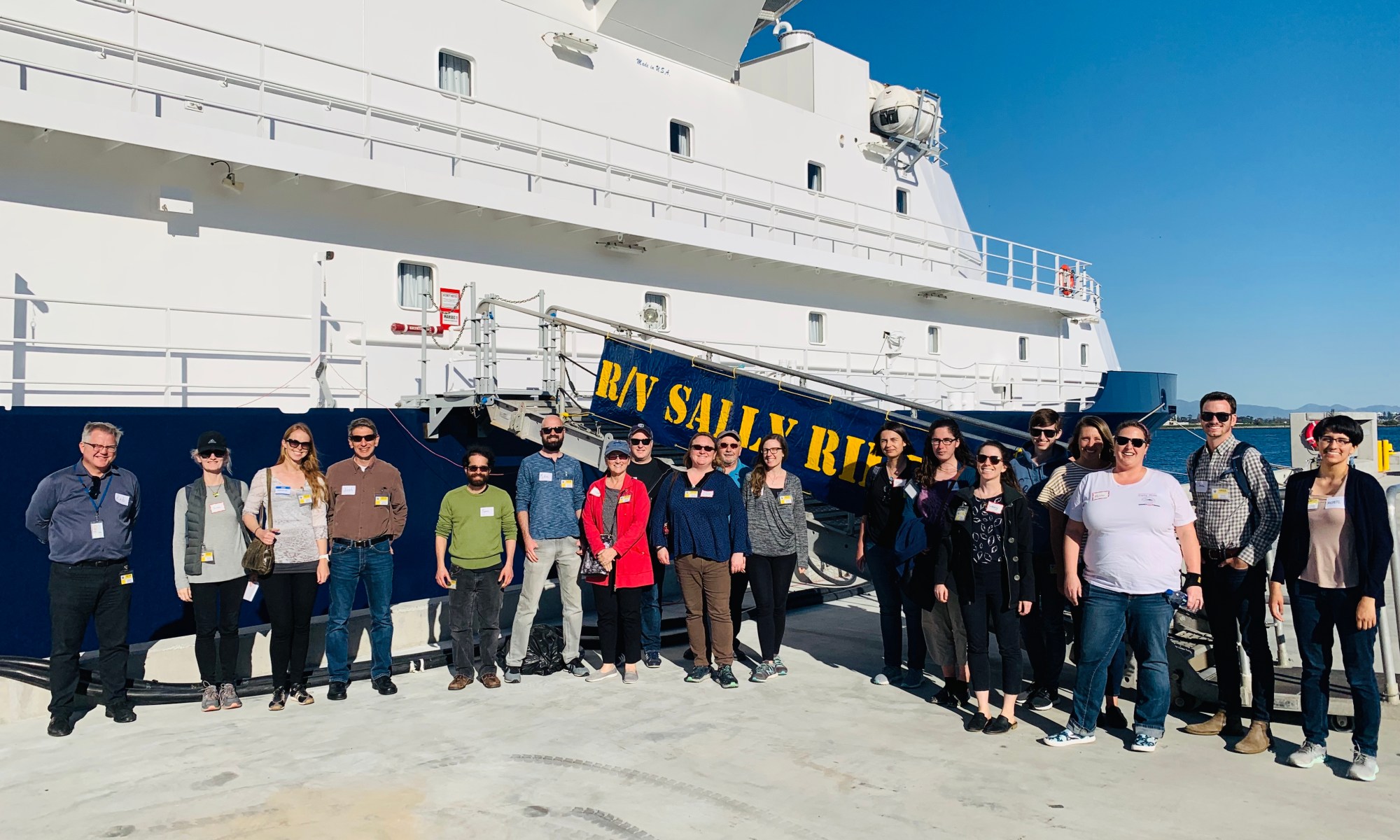
By Xochitl Rojas-Rocha (see also Part II of this tour recap, by Melissa Miller) A fan of Star Trek can’t help but imagine the R/V Sally Ride with its humming engines, narrow hallways, and various clicks and beeps shuttling through space on a mission of scientific discovery. Although the Sally Ride doesn’t leave this planet’s …
Ed Yong and the Craft of Science Writing
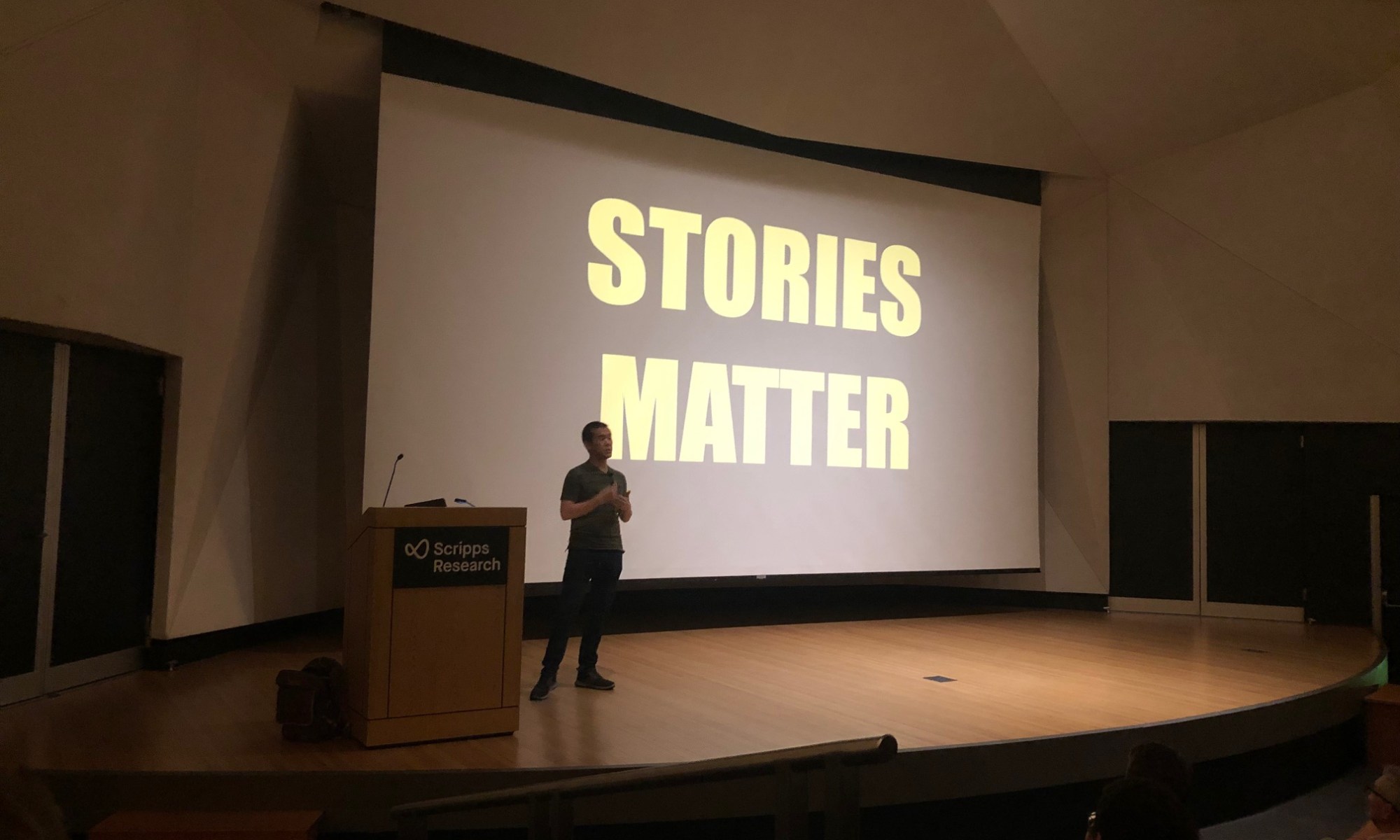
By Allie Akmal The words STORIES MATTER appeared in giant letters on the screen behind science journalist Ed Yong, as he stood, backlit, on the stage at Scripps Research Auditorium on a recent drizzly Thursday afternoon in San Diego. “Science is not just this purely objective empirical neutral force that can be dissociated from the …
How to Use (And Not Abuse) Direct and Indirect Quotes, Part One

This is Part One in a two-part series on using direct and indirect quotes. Check back soon for Part Two! By Tiffany Fox Quotations (also known in journalism as direct quotes and indirect quotes) help to humanize science and often add much-needed emotional contrast. They provide a sense for the “characters” in our stories – …
Continue reading "How to Use (And Not Abuse) Direct and Indirect Quotes, Part One"
 SANDSWA